
The end of the year is one of the busiest times for businesses — not just commercially but also in terms of regulatory obligations. With public holidays, potential shutdowns, payroll considerations and reporting deadlines, proactive planning is essential to remain compliant and to support your workforce through the season. Here’s what Victorian businesses need to know for the 2025–2026 festive season.
1. Understand Public Holidays and How They Affect Your Business
Victoria’s key public holidays over the festive period include:

Christmas Day — 25 December 2025
Boxing Day — 26 December 2025
New Year’s Day — 1 January 2026
These days public holidays are recognised under the National Employment Standards (NES). [Fair Work Ombudsman]
Payroll and Employee Entitlements
If an employee normally works on a public holiday, they are entitled to be paid their base rate of pay for the hours they would have worked. [Business Victoria]
Casual employees are only entitled to payment for the public holiday if they actually work on that day.
Awards, enterprise agreements or employment contracts may provide higher penalty rates for working on public holidays (e.g., double time or penalty rates). Always check the applicable industrial instrument. [Fair Work Ombudsman]
Employers can request employees to work on a public holiday if the request is reasonable, but the employee may refuse if they have reasonable grounds
Business Trading and Operating Hours
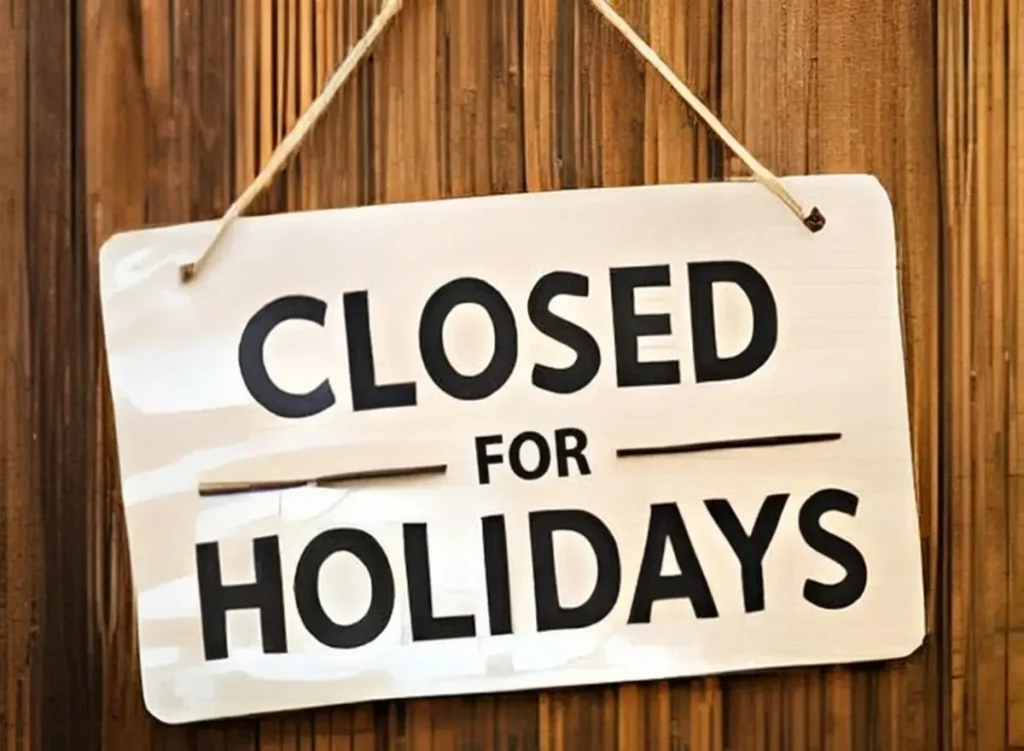
Victoria generally does not impose restricted trading hours for most of the festive public holidays (aside from Christmas Day when most businesses are closed).
Ensure you check specific industry or local council requirements if applicable.
2. Manage Annual Leave and Shutdown Periods
Many businesses elect to close over the Christmas/New Year period. This has payroll and leave implications:
You may require employees to use accrued annual leave during a planned shutdown. Communicate this clearly and in advance, and ensure you comply with any notice requirements in the relevant award or agreement.
For full-time and part-time staff, public holidays that fall during a shutdown still attract pay if they fall on a day the employee would normally work. [Fair Work Ombudsman]
For businesses that remain open and require additional hours or alter shifts, review your rosters in line with award or contract obligations and communicate penalty rates where applicable.
3. Tax, Superannuation and Payroll Reporting
Even during the holiday season, your administrative and reporting obligations continue:
You must continue to report employee pay, tax withheld and super guarantee liabilities through Single Touch Payroll (STP) each time you run payroll, without pause for holidays. [Australian Taxation Office]
Superannuation Guarantee (SG) must still be met — late payments can attract the Superannuation Guarantee Charge and penalties.
Lodgment and payment deadlines that fall on weekends or public holidays can generally be met on the next business day without penalty. [Australian Taxation Office]
4. Key Accounting Deadlines to Track
As the year closes, you should also be aware of upcoming ATO and state revenue obligations:
Activity statements and PAYG withholding: Ensure you meet any December quarterly activity statement deadlines, noting holiday timing can affect processing. (Check ATO lodgment program each year for exact dates.)
Payroll Tax: Employers registered for Victorian payroll tax must continue to meet their monthly payment and reporting obligations.
5. Practical Next Steps Before Year End
To avoid last-minute compliance stress:
Review rosters and payroll systems to ensure correct holiday and leave pay settings ahead of Christmas and New Year.
Confirm shutdown dates with staff and provide written notice if requiring annual leave.
Check STP software settings so holiday pay and leave types are accurately applied.
Schedule your key lodgment dates in your calendar — and plan around public holidays where processing and banking may be delayed.
Conclusion
The festive season is a critical period for both staff wellbeing and compliance. Every business in Victoria should be confident that they understand their obligations around public holidays, pay entitlements, superannuation and reporting deadlines.